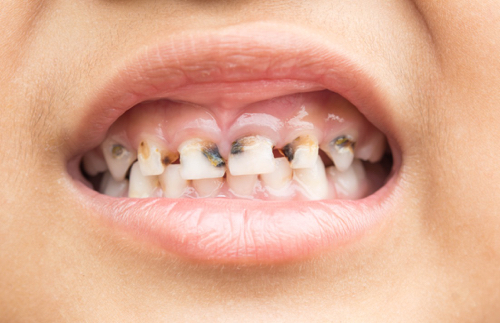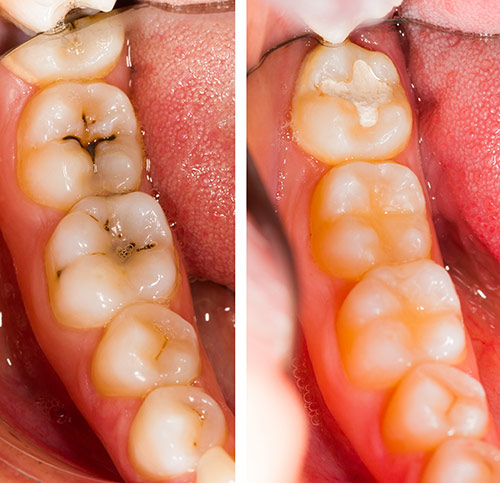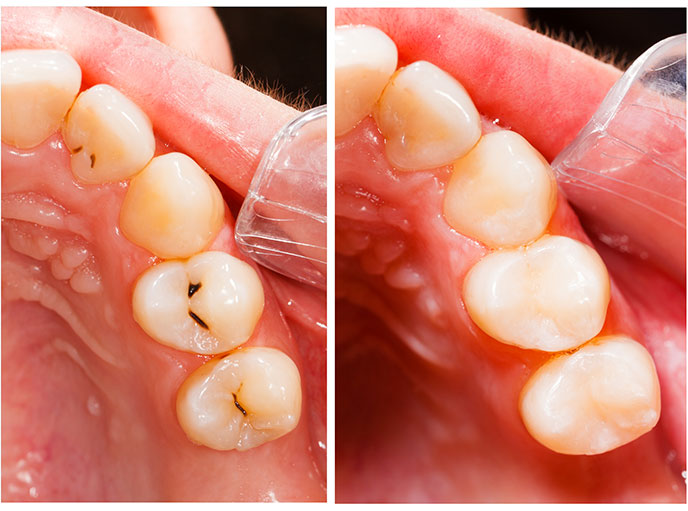
Halloween is a time for costumes, parties, and plenty of sweet treats. While enjoying candy can be part of the fun, frequent sugar exposure can increase the risk of tooth decay. The good news is that a few simple habits can help protect your teeth without giving up your favorite Halloween traditions.
At Oyster Point Dental, we encourage patients and families to make oral health part of their seasonal celebrations. Here are practical ways to enjoy Halloween treats while keeping your smile healthy.
Choose Your Halloween Treats Wisely
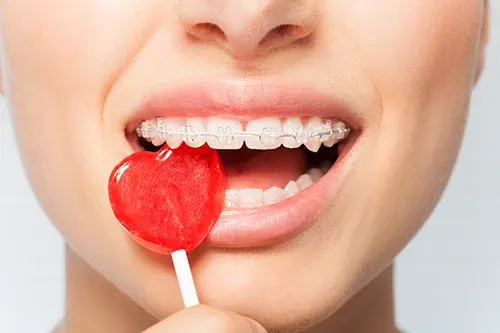
Not all candy affects teeth in the same way. Sticky treats, such as caramels and gummy candies, can cling to tooth surfaces and remain in the mouth longer. Hard candies can also pose a risk because they dissolve slowly and may crack or chip a tooth if bitten.
Enjoying treats that clear the mouth more quickly, while avoiding frequent snacking throughout the day, can help limit prolonged sugar exposure.
Enjoy Sweets With Meals
Eating candy alongside a meal is generally better for your teeth than grazing on sweets throughout the day. Saliva production increases during meals, helping wash away food particles and neutralize acids produced by oral bacteria.
Try setting aside a specific time to enjoy Halloween candy instead of reaching into the candy bowl repeatedly.
Drink Water After Eating Candy
Water helps rinse away leftover food particles and supports saliva's natural cleansing action. Drinking water after enjoying sweets is a simple way to support oral health, especially when you're out trick-or-treating or attending Halloween parties.
Choose plain water over sugary drinks, which can add to your overall sugar exposure.
Maintain Your Brushing and Flossing Routine
Halloween festivities can make it tempting to skip nighttime brushing, especially for children who return home late from trick-or-treating. However, consistent oral hygiene remains important.
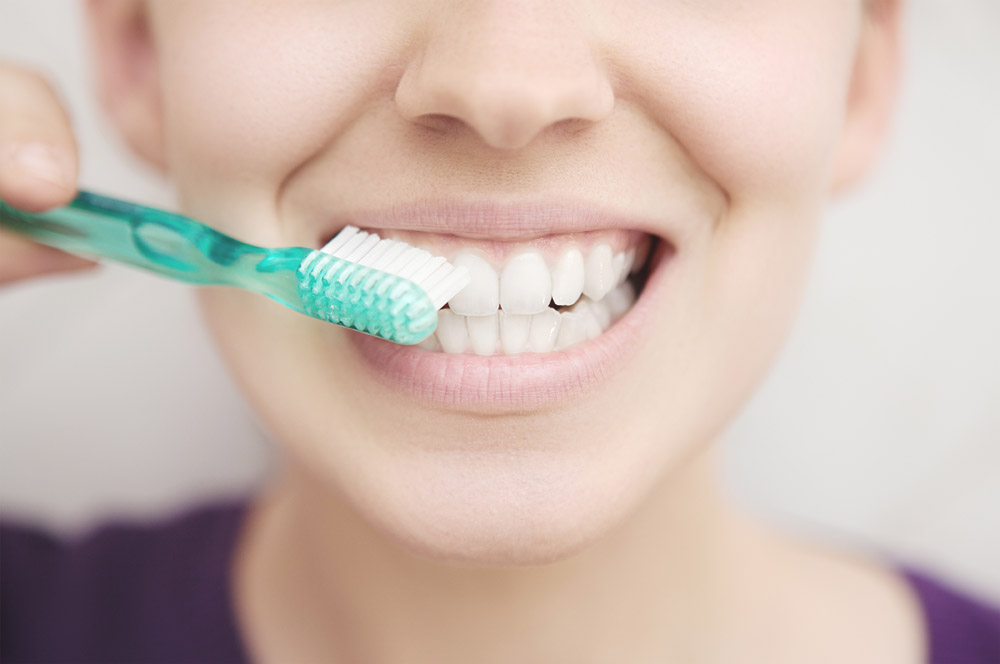
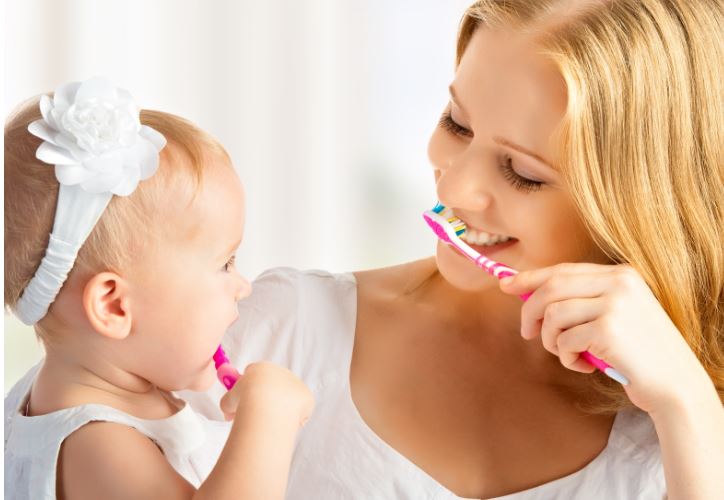
Brush twice daily with fluoride toothpaste and floss once a day to remove plaque and food debris from areas your toothbrush may miss. Parents should help young children brush effectively and use an appropriate amount of fluoride toothpaste.
Be Careful With Sugar-Free Alternatives
Sugar-free candy may be a useful alternative because it does not contain the same cavity-causing sugars found in regular sweets. However, it is still important to check ingredients and avoid chewing products that could damage dental work. Sugar-free does not automatically mean that a treat is harmless to every aspect of your oral health.
Schedule Regular Dental Checkups
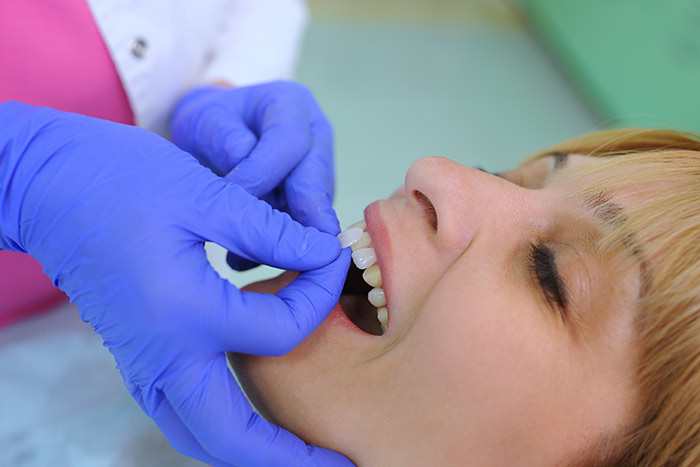
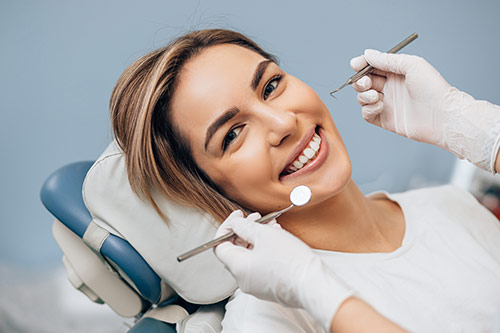
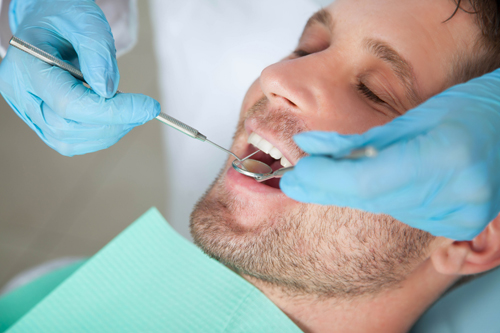
Routine dental visits allow your dentist to check for early signs of cavities, evaluate your gum health, and recommend preventive care based on your needs. Professional guidance can also help children develop healthy habits as their teeth grow.
At Oyster Point Dental, maintaining a healthy smile starts with consistent preventive care throughout the year, including during candy-filled holidays.
Enjoy Halloween While Protecting Your Smile
You don't have to avoid every Halloween treat to care for your teeth. Making thoughtful candy choices, limiting frequent snacking, drinking water, and maintaining good oral hygiene can help reduce the effects of sugar on your smile.
If you or your child is due for a dental checkup, contact Oyster Point Dental to learn more about preventive dental care and keeping your teeth healthy beyond Halloween.